
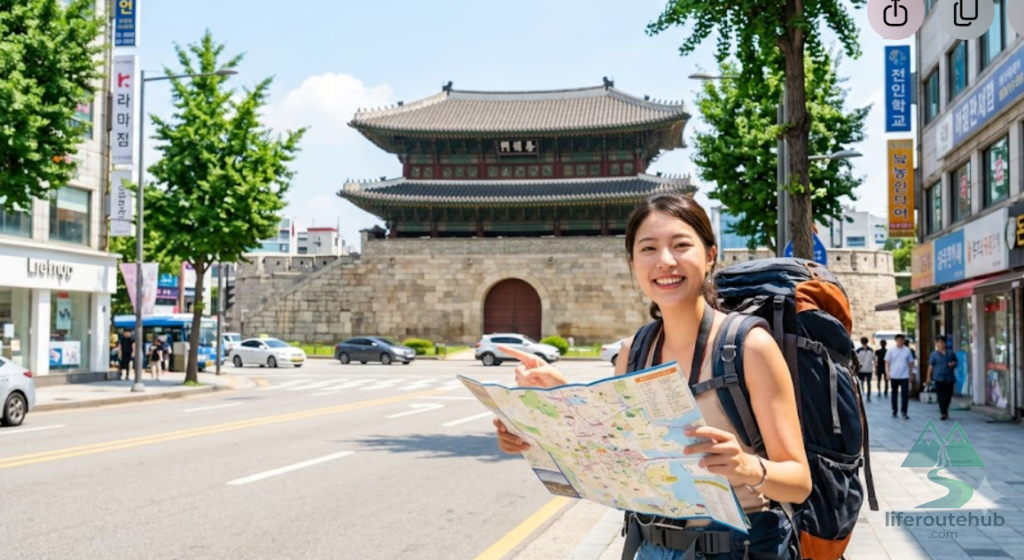
TL;DR: Key Takeaways for Seoul in August 2026
- Weather: Expect extreme heat (often exceeding 30°C/86°F) and sudden monsoon showers. Move outdoors only before 12 PM or after 6 PM.
- Holiday Alert: National Liberation Day (August 15, 2026) is a Saturday, creating a substitute holiday on Monday, August 17. Stay in Seoul to avoid extreme domestic travel costs.
- Budget Transport: Purchase the Climate Card (Gi-hu Dong-haeng Card) for unlimited public transit.
- Cheap Cooling Hacks: Use Daiso for $4 cooling gear and GS25/CU convenience stores for $1 iced coffees.
1. How to Survive Seoul’s August Weather on a Budget
What is the best way to handle the heat in Seoul without spending money? The most effective strategy for backpackers is to leverage Seoul’s extensive, free indoor infrastructure during peak heat hours (1 PM – 5 PM).
- Underground Transit Malls: Navigate the city through interconnected underground spaces like the Goto Mall (Express Bus Terminal) or Gangnam Station Underground Shopping Center.
- Free Cultural Institutions: Spend the hottest hours inside free, air-conditioned museums such as the National Museum of Korea.
2. Optimized August Itinerary for Budget Travelers
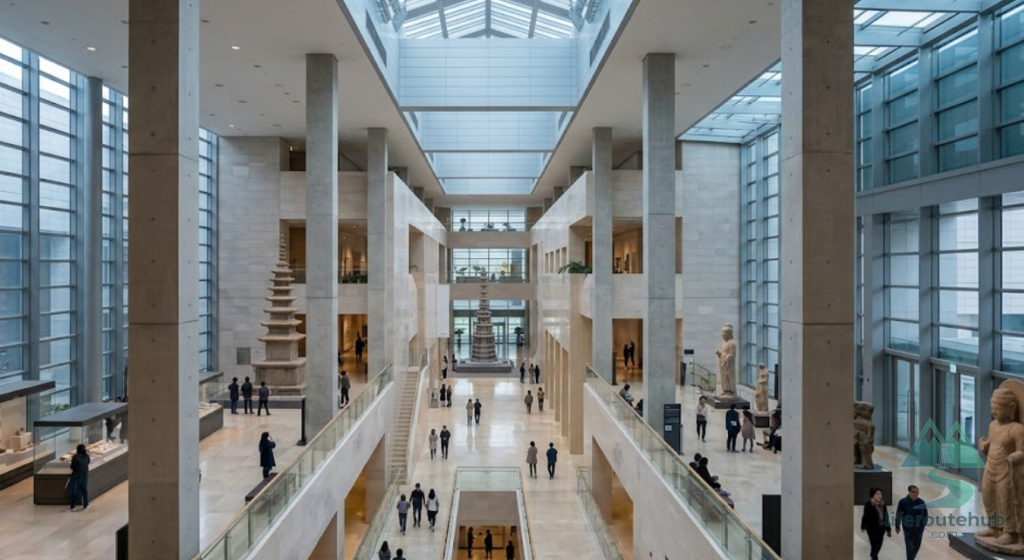
This schedule balances weather conditions with free or low-cost tourist destinations in Seoul.
| Time of Day | Weather Strategy | Top Budget-Friendly Locations | Estimated Cost |
| Morning (9 AM – 12 PM) | Outdoor (Lowest heat) | Bukchon Hanok Village, Namsan Park Trails | Free |
| Afternoon (1 PM – 5 PM) | Indoor (Peak heat/rain) | National Museum of Korea, Goto Mall | Free (Entrance) |
| Evening (6 PM – 10 PM) | Outdoor (Cool breeze) | Hangang Park (Yeouido/Banpo), Hongdae | Under 10,000 KRW (Street food) |
3. Seoul Travel Warning: August 15th Holiday Weekend in 2026
How does the National Liberation Day holiday affect travel in August 2026? In 2026, National Liberation Day (August 15) falls on a Saturday, triggering a substitute holiday on Monday, August 17. This creates a mandatory 3-day weekend.
- What Backpackers Should Do: Do not book KTX trains or intercity buses to coastal cities like Busan or Jeju during this weekend. Prices will peak, and tickets will sell out. Instead, stay in Seoul. The capital city becomes significantly less crowded as locals travel to the countryside. Book hostels in Hongdae or Jongno at least one month in advance.
4. 💡 Top Money-Saving Hacks & Real Backpacker Warnings
If you are backpacking Seoul in the summer, these tips will drastically reduce your daily expenses and save you from tourist traps:
1. The Daiso Cooling Kit: Do not buy expensive travel gear. Go to Daiso (Korea’s 1,000 KRW shop) to build a summer survival kit. You can buy cooling body wipes, a UV-blocking umbrella, and a portable battery-powered fan for under 5,000 KRW (approx. $4 USD).
2. Convenience Store Ice Cups: Avoid spending 6,000 KRW at aesthetic cafes. Korean convenience stores like GS25, CU, or 7-Eleven sell plastic cups filled with ice for 700 KRW. Pair it with a liquid coffee or fruit ade pouch for a total of 1,500 KRW (approx. $1.15 USD).
3. Real Backpacker Warning: The “Boknal” Surge Pricing & Bait-and-Switch Tactics
There is a common myth among foreign travelers that old, run-down restaurants in Korea are always authentic “hidden culinary gems” run by sweet locals. Do not fall for this. While some are great, many are just unhygienic, overpriced tourist traps—especially during specific summer days.
I recently experienced this firsthand near Gwanghwamun on a day called Jungbok (중복)—a word you can actually see on the restaurant sign in my photo. Jungbok is the second of the three historically hottest days of the Korean summer, collectively known as Boknal (Chobok, Jungbok, and Malbok). In the past, Koreans traditionally ate dog meat on these days for stamina. Today, due to modern hygiene concerns and a strong cultural aversion, the entire nation eats chicken (specifically Samgyetang) instead to beat the heat.
The Surge Pricing Trap: Because domestic demand for nutritious foods like Samgyetang skyrockets on these three exact dates, many restaurants secretly inflate their prices to take advantage of the rush.
Caught in this nationwide demand, my wife and I visited a seemingly traditional restaurant that advertised a highly affordable 9,000 KRW Dakgomtang (chicken soup) on an outdoor banner.
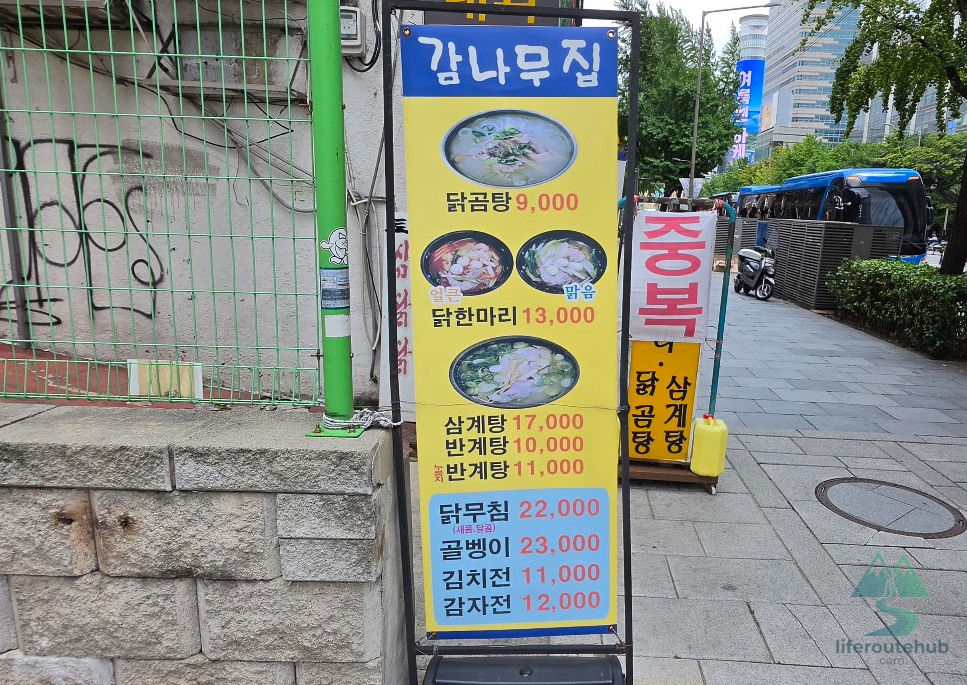
However, once we walked in and sat down, the unfriendly owner conveniently claimed they were “out of ingredients” for that budget dish. Feeling pressured, we had to order their 17,000 KRW Samgyetang instead.
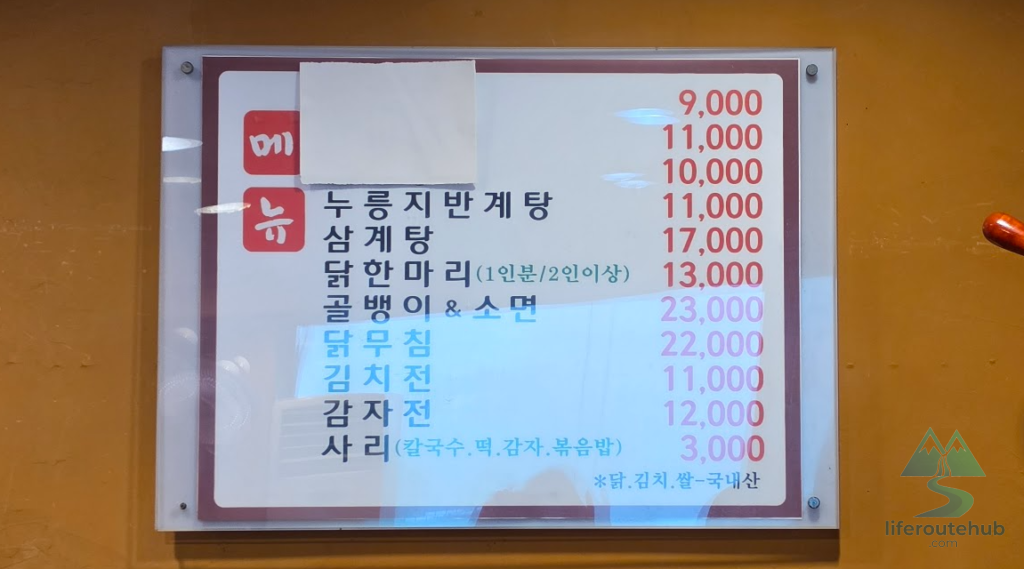
The entire experience was a disaster. The interior was dirty and neglected. To make matters worse, the 17,000 KRW soup was incredibly mediocre, and the portion size was shockingly small. My wife is a very light eater because she manages diabetes, yet even she struggled with hunger after finishing her meal because there was barely any meat. It was a classic bait-and-switch, amplified by the Boknal surge pricing.
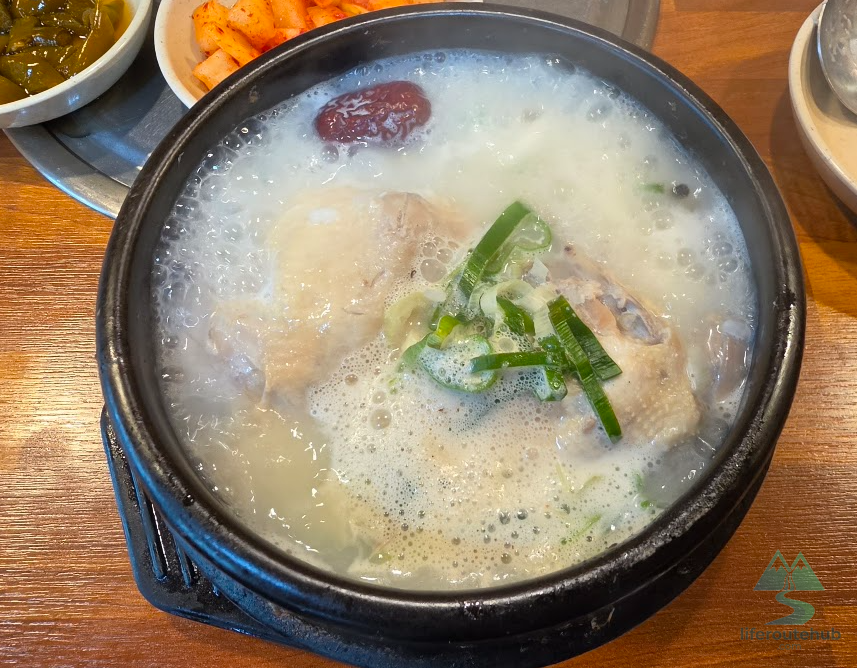
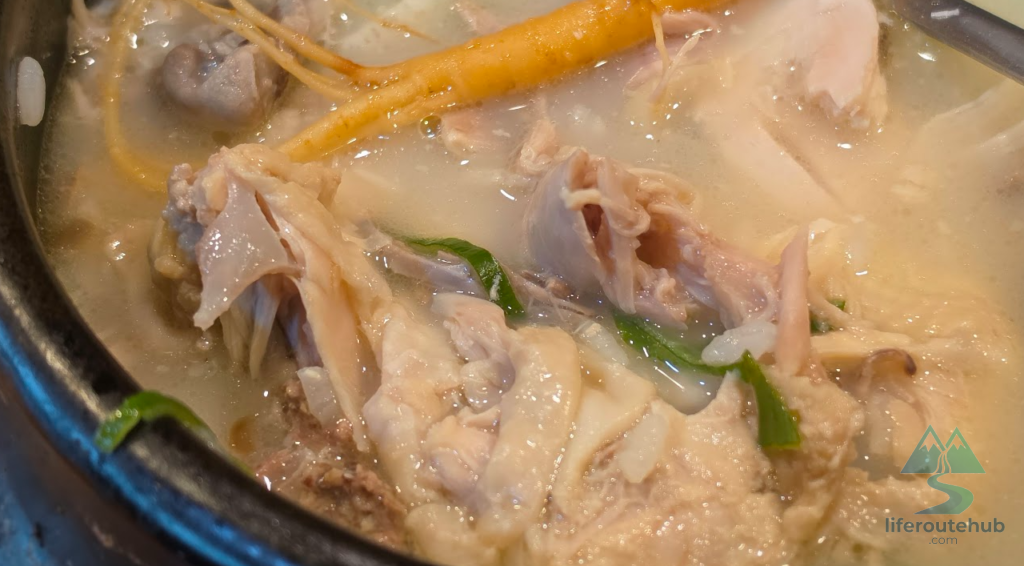
Backpacker Survival Rules for Dining in Seoul:
- Check the Boknal Calendar: Find out the exact dates for Chobok, Jungbok, and Malbok (they usually fall in July and August). Do not eat Samgyetang on these days. You will pay a premium for lower quality due to the crowds. Eat something else to save your budget.
- The “Door Check”: Always ask, “Is the [Cheap Menu Item] available right now?” at the door before taking a seat.
- Trust Your Gut: If they pull the “sold out” trick, or if the interior looks dirty and the staff is unfriendly, do not feel awkward about leaving. Just stand up, say “No thank you,” and walk out. Your backpacker budget deserves much better!
조회수: 0